-
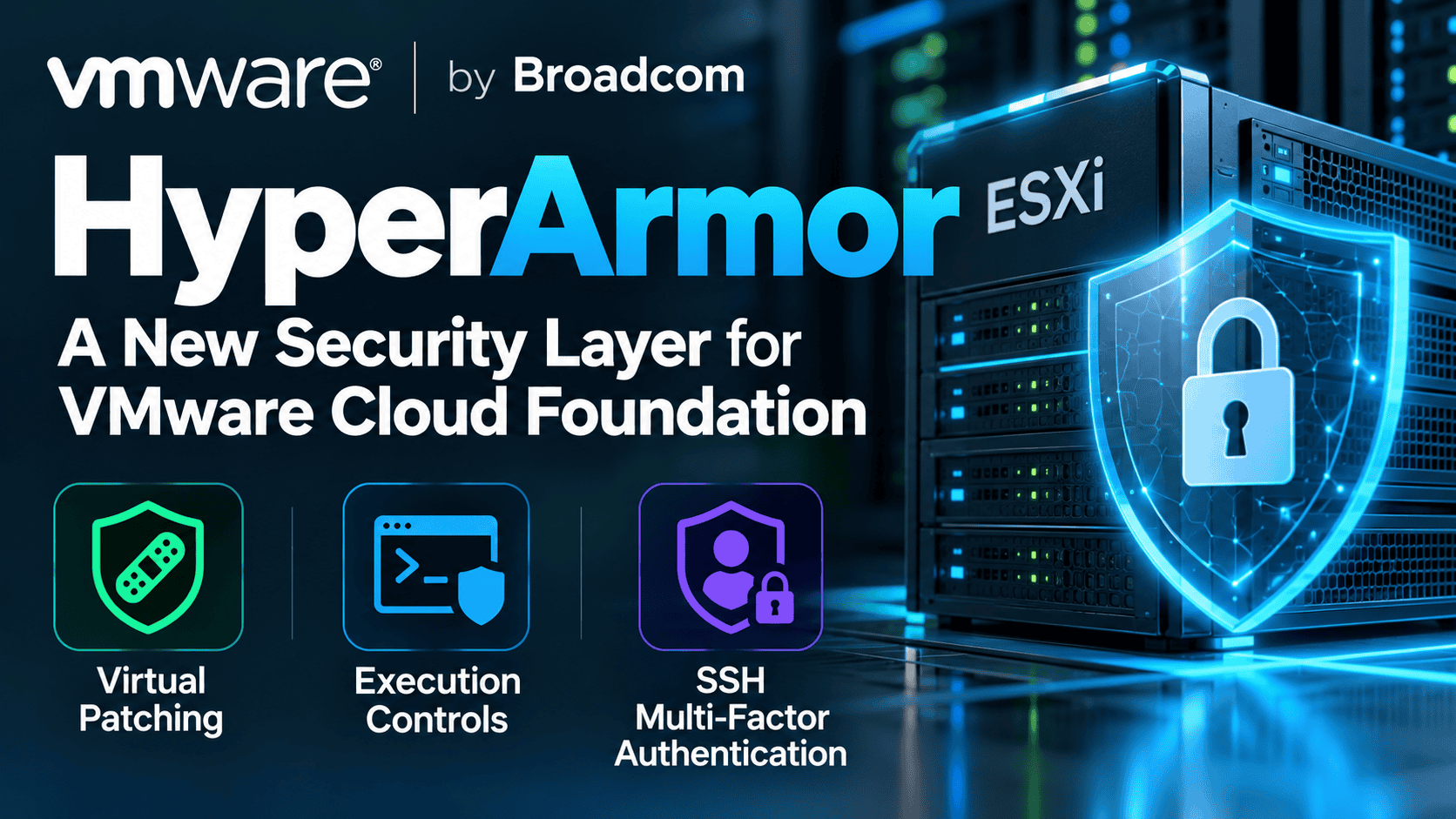 Continue reading →: VMware HyperArmor: A New Security Layer for VMware Cloud Foundation
Broadcom has introduced VMware HyperArmor, a new security solution designed to strengthen the security of the ESX hypervisor in VMware Cloud Foundation (VCF) environments. Announced on October 13, 2026, HyperArmor focuses on three important areas: virtual patching at the hypervisor layer, host execution controls and multi-factor authentication for ESXi SSH…
-
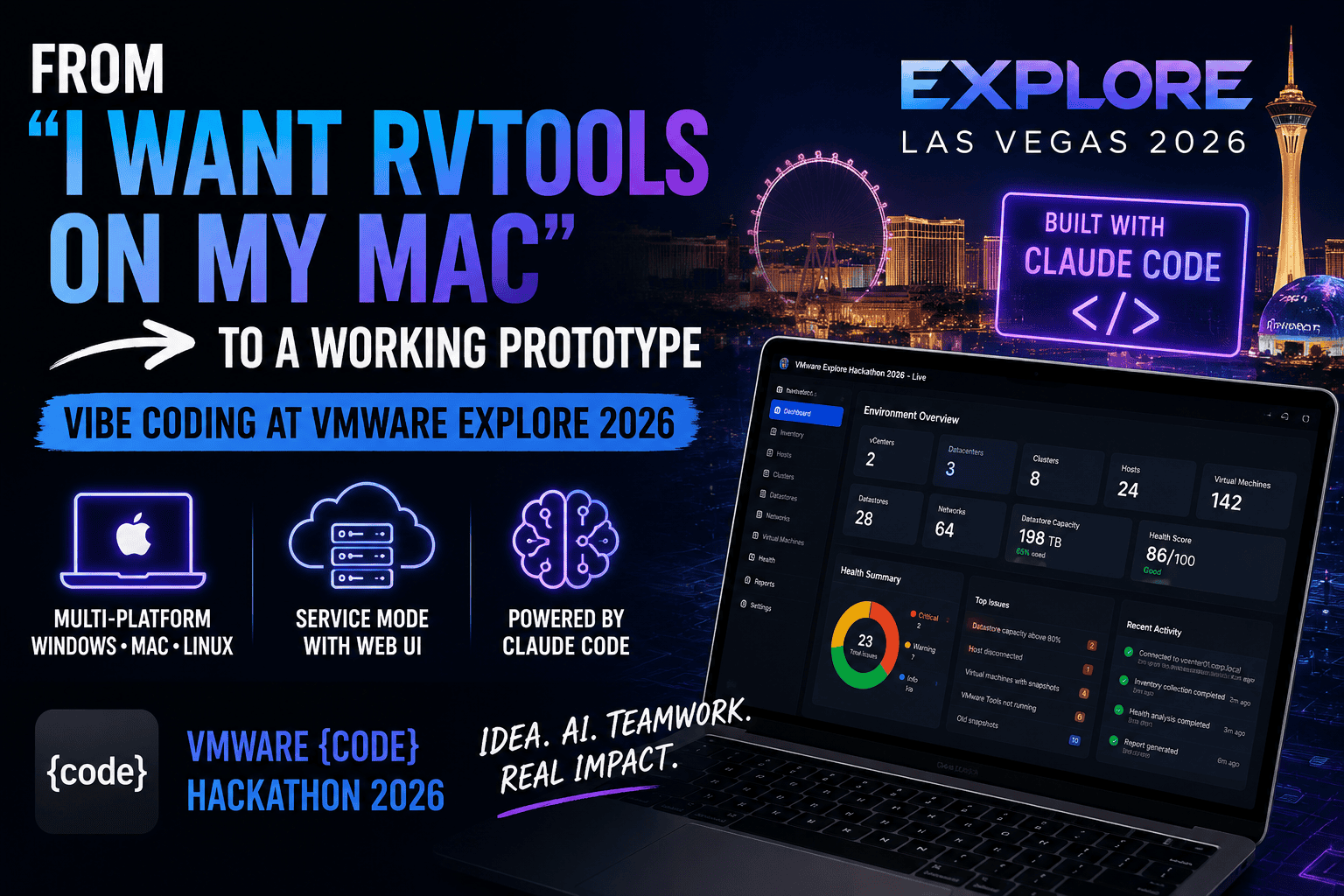 Continue reading →: From “I Want RVTools on My Mac” to a Working Prototype – Vibe Coding at VMware Explore 2026
Sometimes the best software ideas don’t start with a product strategy. They start with a simple problem. “I want RVTools on my MacBook.” That was the starting point for our team at the VMware {code} Hackathon at VMware Explore Las Vegas 2026. A simple idea. A few people who had…
-
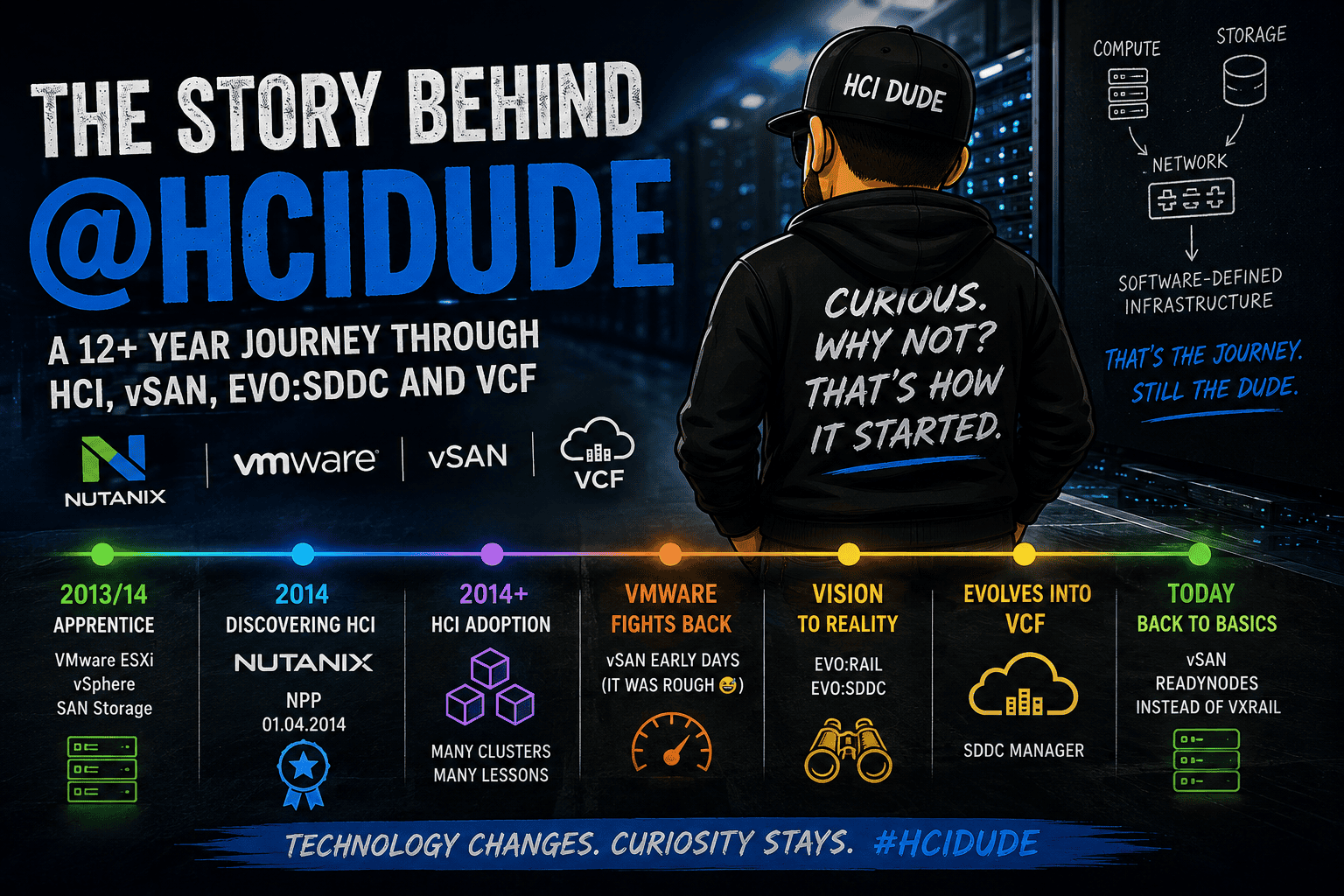 Continue reading →: The Story Behind @hcidude
From an IT apprentice to HCI Dude – a 12+ year journey through Nutanix, vSAN, EVO:SDDC and VCF People sometimes ask me where @hcidude comes from. The short answer is: I didn’t really choose it. It kind of happened. And looking back more than twelve years later, the story behind…
-
 Continue reading →: Die „Tante Ju“ ist zurück in Frankfurt – Besuch bei der Lufthansa Ju 52 D-AQUI
Es gibt Flugzeuge, die sind mehr als nur technische Konstruktionen. Sie werden zu Zeitzeugen. Zu Symbolen einer Epoche. Und manchmal schaffen sie etwas, das selbst moderne Verkehrsflugzeuge kaum noch können: Sie lassen einen für einen Moment vergessen, in welchem Jahr man gerade lebt. Genau dieses Gefühl hatte ich beim Besuch…
-
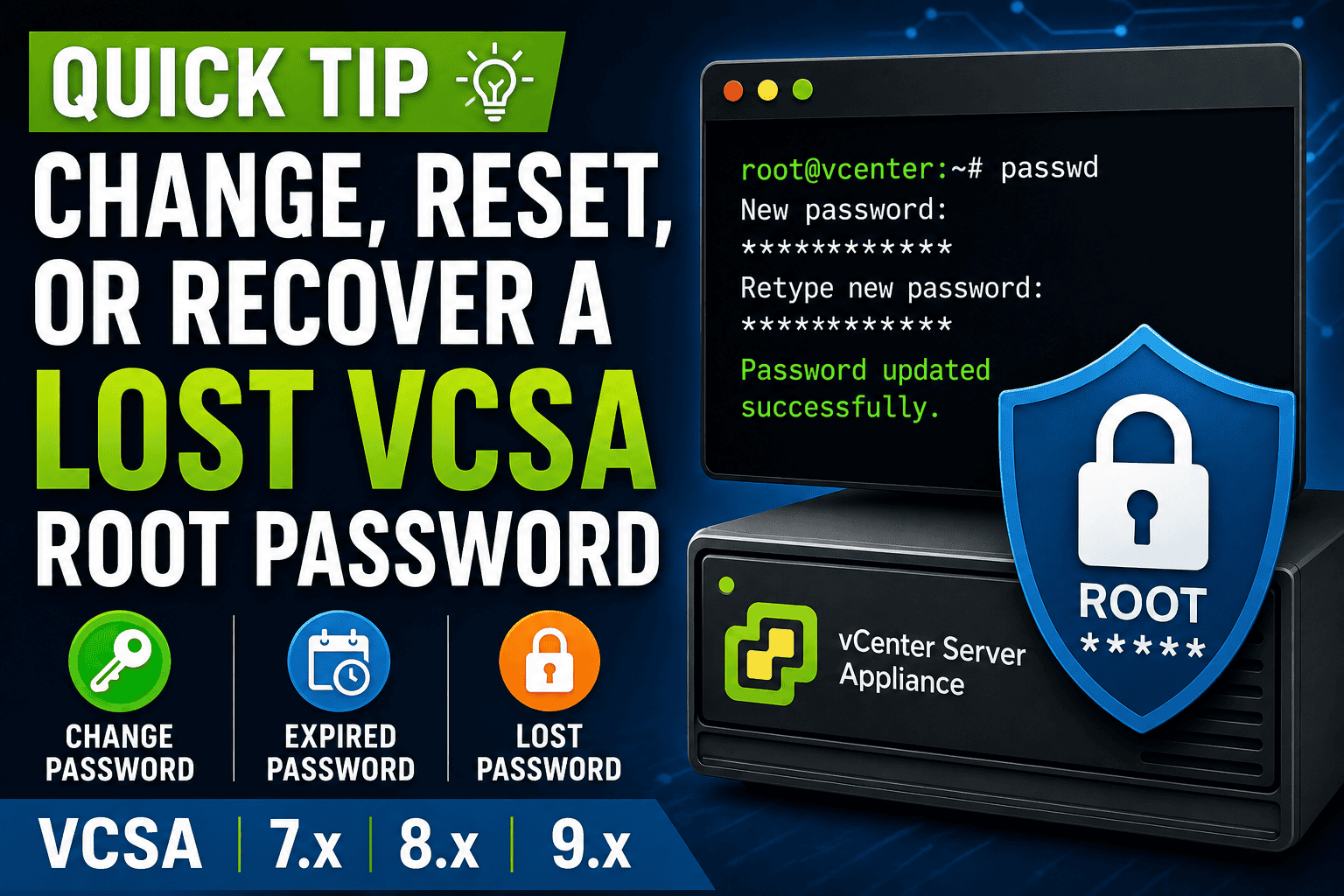 Continue reading →: Quick Tip: Change, reset, or recover a lost VCSA root password
Managing the root account on a vCenter Server Appliance (VCSA) is a common administrative task. Whether the password needs to be changed, has expired, or has been completely lost, VMware provides supported recovery methods. This quick tip covers the most common scenarios for VCSA 7.x, 8.x and 9.x. Scenario 1:…
-
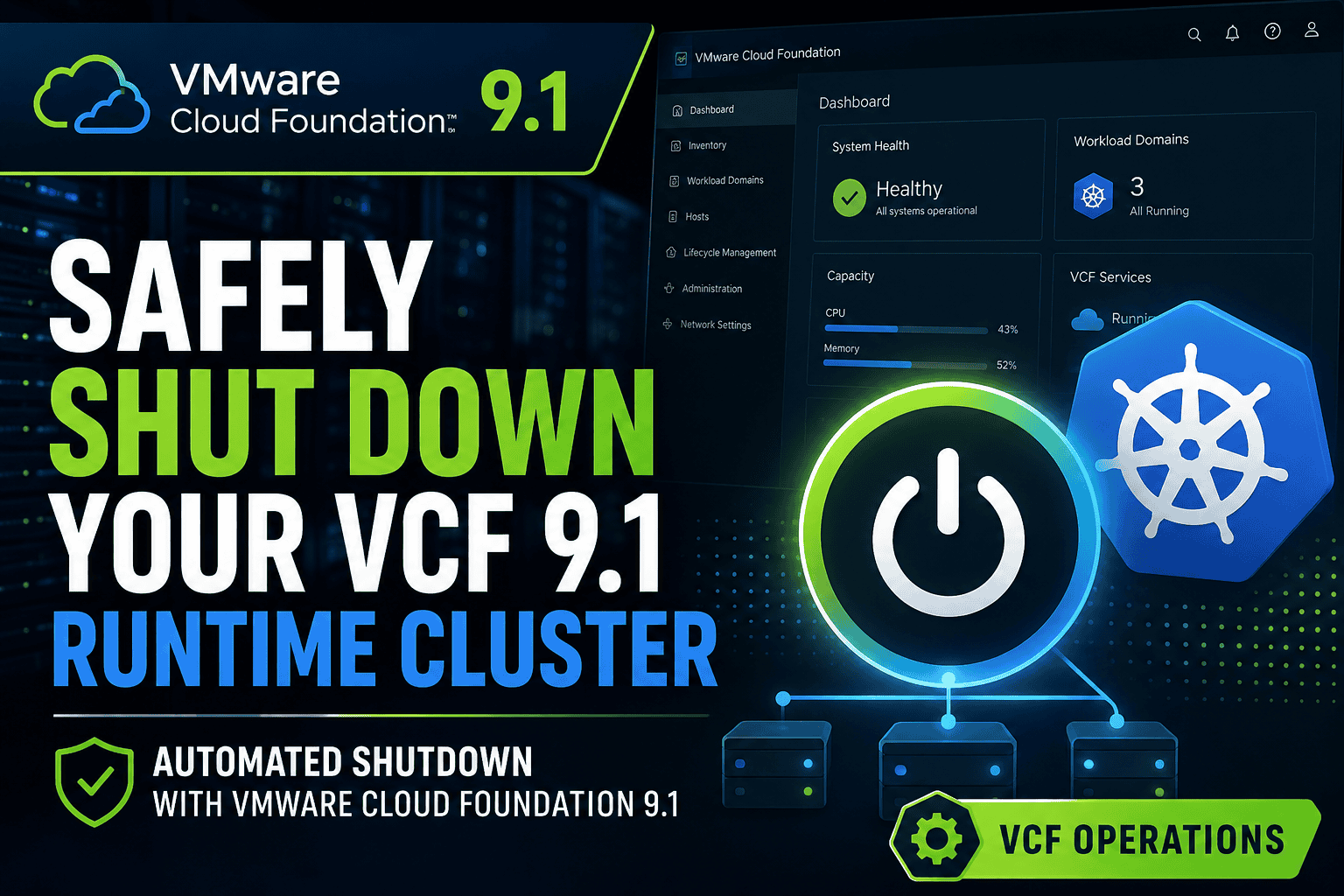 Continue reading →: VMware Cloud Foundation 9.1: Safely Shutting Down an Entire VCF Services Runtime Cluster
With VMware Cloud Foundation 9.1, Broadcom introduced a new automated method for safely shutting down all nodes within a VCF Services Runtime cluster. While this may sound like a small operational improvement, anyone who has ever performed a full management domain maintenance window knows how important a coordinated shutdown process…
-
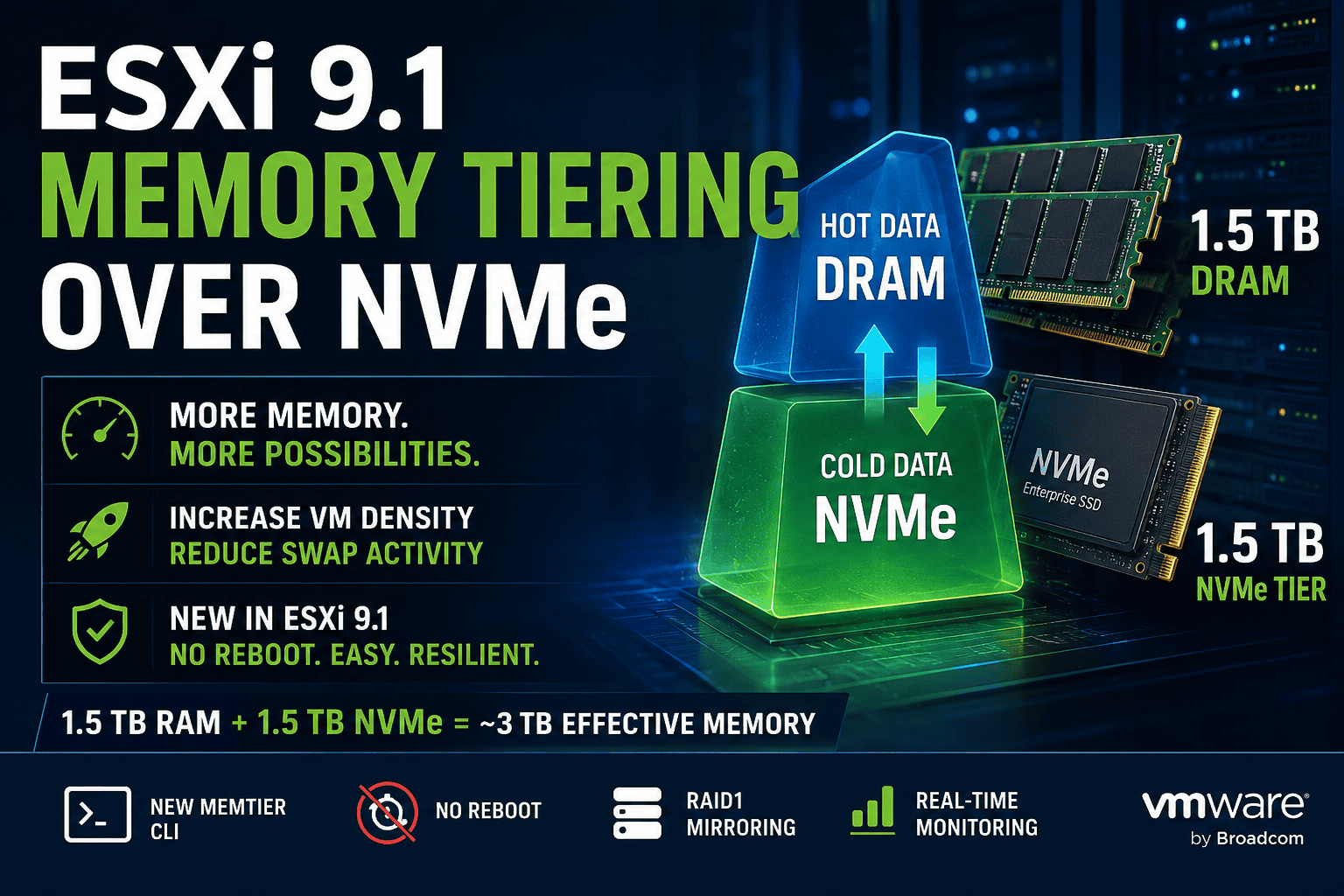 Continue reading →: ESXi 9.1 Memory Tiering over NVMe – What Changed and How to Configure It
With ESXi 9.1, VMware significantly redesigned the Memory Tiering implementation introduced in earlier vSphere releases. What initially started as a rather experimental feature based on kernel boot options and reboot-driven workflows has now evolved into a fully integrated platform capability with its own dedicated management stack. The new implementation simplifies…
-
 Continue reading →: ESXi USB Boot Is Not the Problem – Excessive Writes Are
For years, running VMware ESXi from a USB stick or SD card was the standard approach for many enterprise environments and home-labs. Small footprint, low power consumption, cheap hardware – it simply worked. With newer ESXi releases, however, Broadcom and previously VMware officially moved away from supporting USB sticks and…
Navigation


Hallo,
I’m Lukas

Herzlich willkommen auf meinem Blog!
Hier teile ich meine Leidenschaften für Technologie, Abenteuer und Autos. Viel Spaß beim Lesen!